Image 1 of 5
 Image 2 of 5
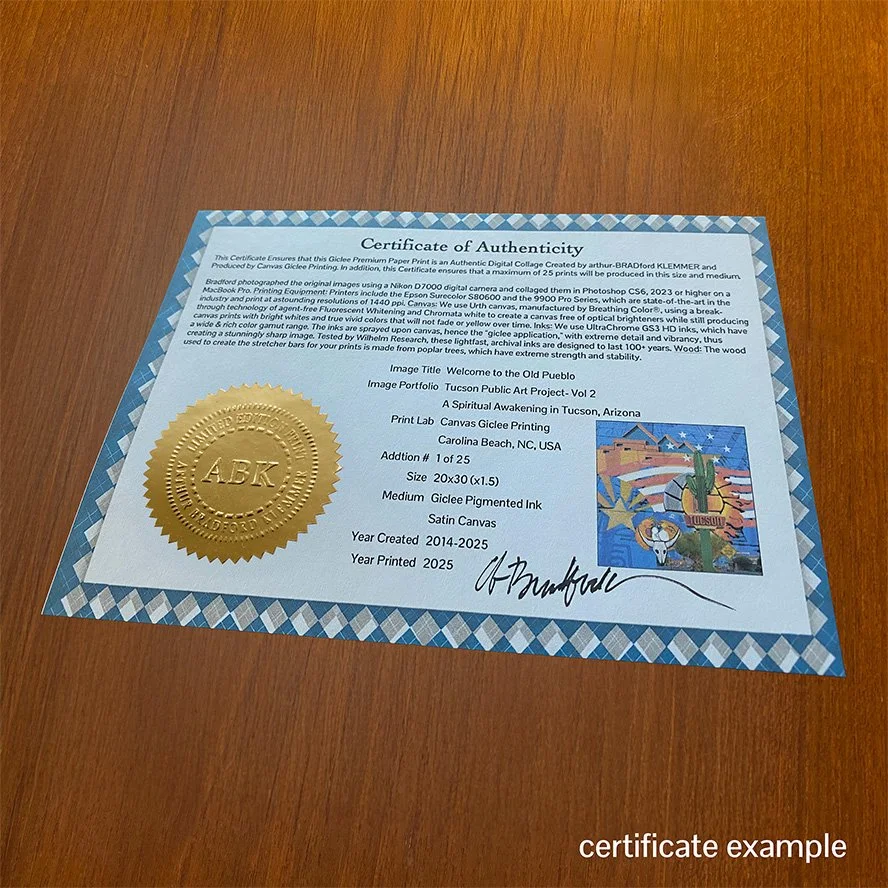 Image 3 of 5
 Image 4 of 5
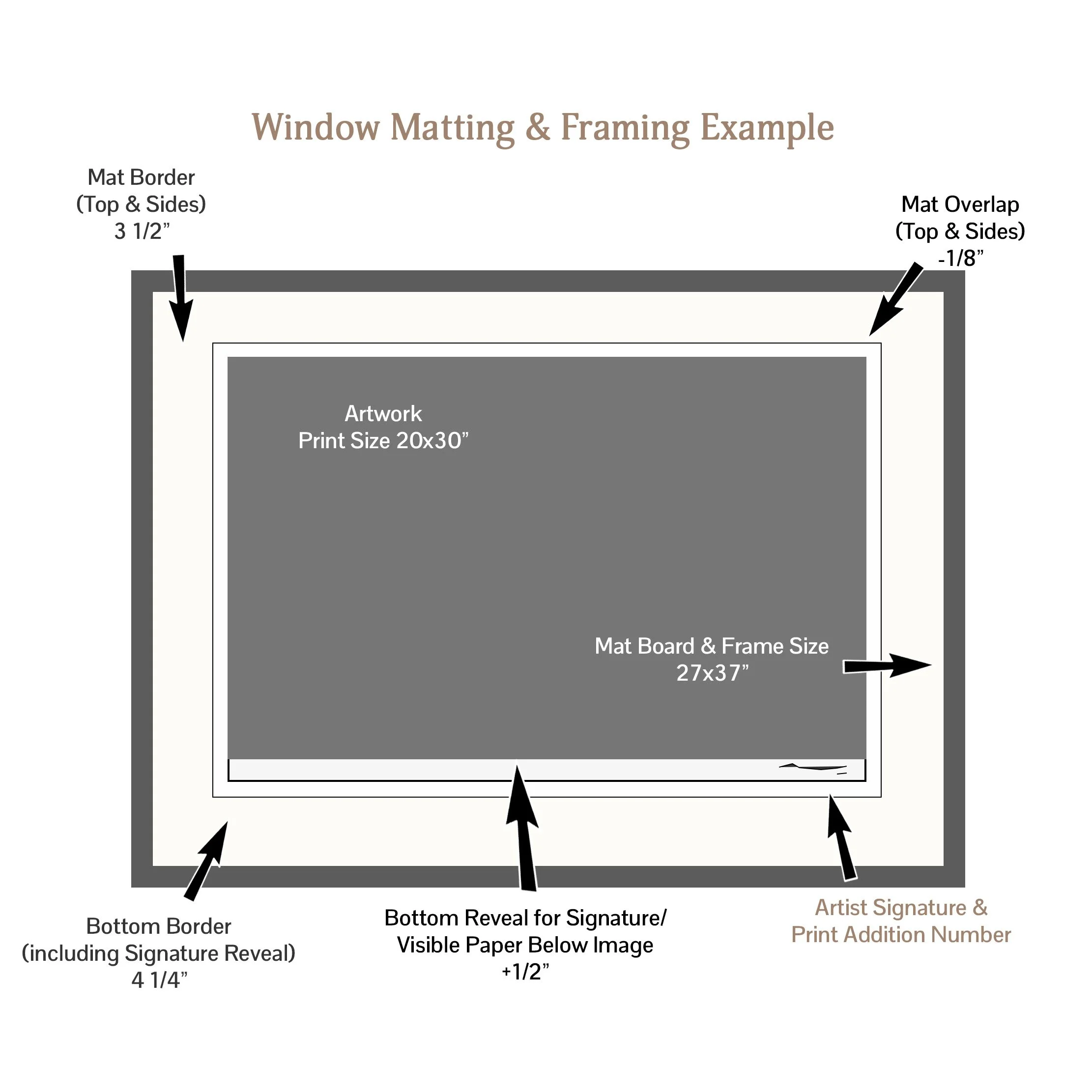 Image 5 of 5
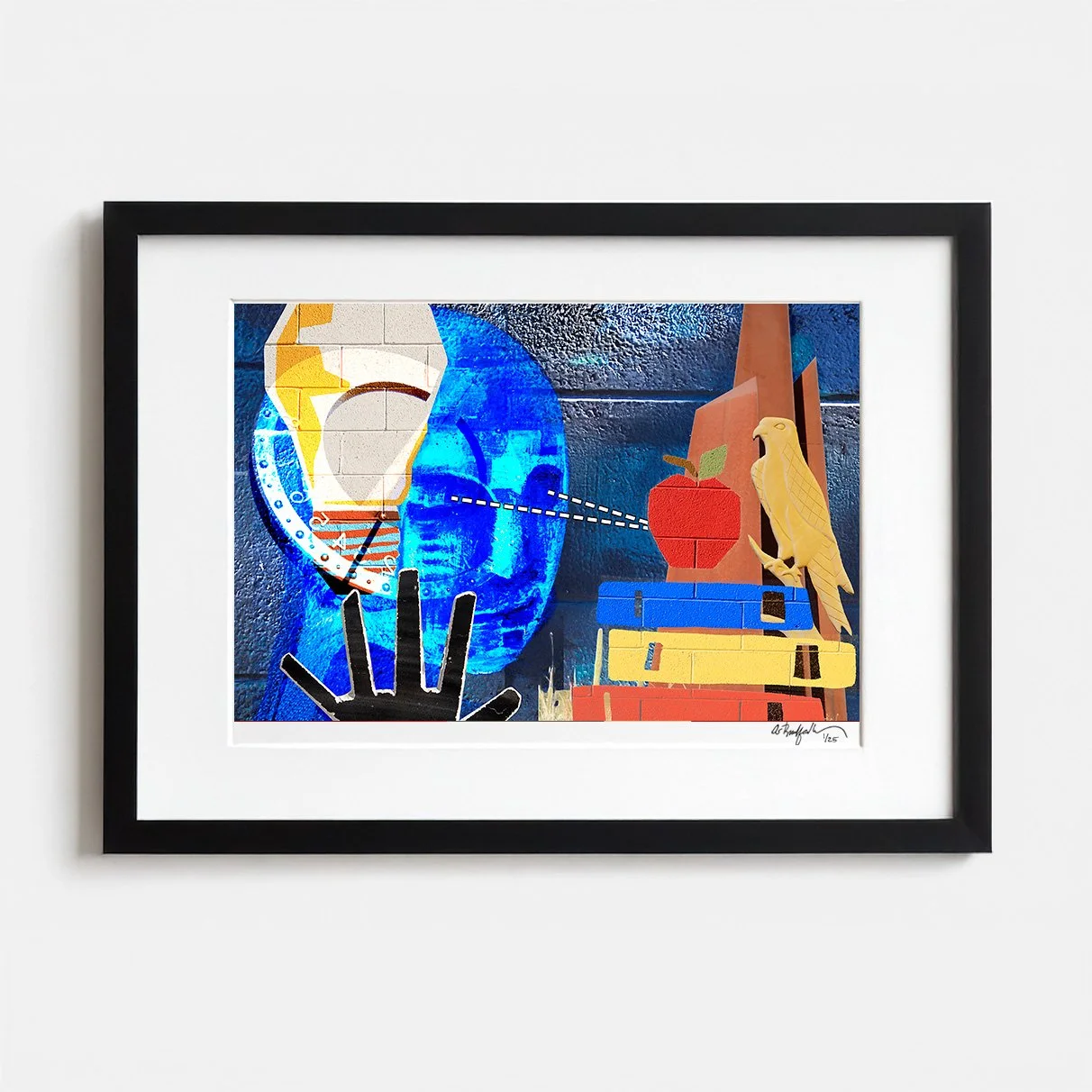
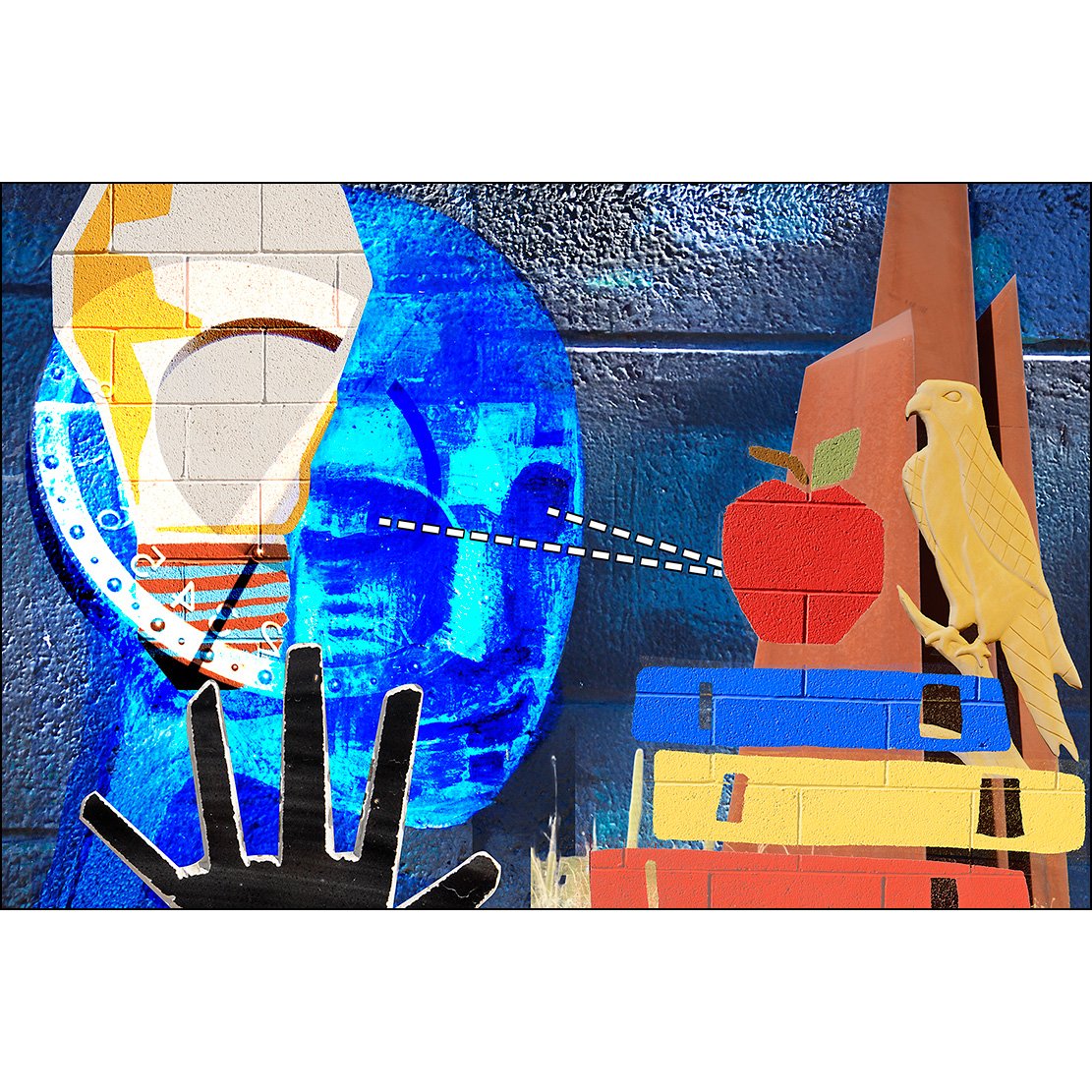
"Desire" Limited Edition, Giclee Premium Paper Print

Print Quality Details
Giclee printing is a professional fine art printing process that uses high-resolution inkjet printers, archival pigment inks, and acid-free papers or canvas. It is designed to produce highly accurate, long-lasting reproductions of artwork and photographs.
Giclee prints are considered one of the highest-quality print methods available. They offer exceptional detail, smooth color gradients, and accurate color reproduction.
Studies have shown that Giclee Prints' color vividness can last for more than 200 years, with tests conducted by independent bodies such as Wilhelm Research and printer manufacturers such as Epson. This gives collectors and art buyers assurance about this printing method.
Photo Rag premium paper provides a refined gallery look with its velvety matte surface, rich color tones, and soft tonal depth.
Textured Matte | 308 gsm | 18.9 mil | 100% Cotton Fiber
Photo Rag is a premium, smooth matte paper with a soft, fine texture that adds a slight depth to prints. It offers exceptional color reproduction and is highly regarded for its ability to render fine details with precision. Photo Rag is a go-to choice for photographers and artists looking for a versatile, high-quality paper.
Artwork Description and Symbolism
Desire explores one of the most powerful forces in human life—not as something to suppress or indulge blindly, but as energy to understand and consciously direct.
This artwork presents a captivating collage of vibrant elements boldly mingling in a dreamlike, sexually suggestive composition, set against a cleanly saturated turquoise-blue sky. The style blends elements of pop art, surrealism, and street art, using bold colors and striking contrasts to evoke a sense of wonder, lust, and energy.
At the center stands a stylized, strong, confident cowboy—a real everyman, a masculine hero figure—wearing a blue cowboy hat, red shirt, and blue jeans while holding a long yellow hammer diagonally across his body. The cowboy represents responsibility, protection, and provision for family and community. The hammer signifies building, repair, and making tangible progress toward work that shapes society at a fundamental level. Symbolically, it also represents sexual stamina and masculine potency. The cowboy’s posture is upright and assertive, giving him the presence of a symbolic protagonist or guide figure as he stares contentedly at a giant, deliciously ripe peach.
Surrounding him is a dynamic constellation of oversized, whimsical, and playfully provocative symbolic elements. A giant carnivorous plant with a large red-and-black-spotted flower and pollinated stamen appears to devour a yellow polka-dot bikini-wearing damsel in distress, lifting her with its leafy hands while attempting to bite her head off with a Venus flytrap jaw. The woman is rendered in soft color gradients and comic-book-inspired linework, with a pose that is both sensual and fluid. Holding a cherry Icee, she reclines across the plant’s sculptural leaves, appearing simultaneously vulnerable and seductive.
The scene invites ambiguity: is she awaiting rescue from the cowboy, or is she the one seducing him? Her playful gesture toward him, paired with the black widow spider crawling between them, symbolizes the dual nature of desire—its potential for both creation and destruction.
Nearby, a large black sphere and the upper half of a pink-toned female face emerge from the background, her eyes gazing outward with psychological intensity, as though examining whether the cowboy truly embodies the man he claims to be. Behind them, a tall, fiery-golden obelisk tower rises vertically, evoking themes of aspiration, power, and sexual conquest. The arrangement of the female face and black sphere subtly echoes phallic symbolism, adding another layer of erotic metaphor to the composition.
Giant butterflies with vivid orange and red wings flutter nearby, introducing lightness and transformation. Here, the butterflies symbolize metamorphosis from one phase of life into another—the release of insecurity and self-limiting beliefs in favor of expressive freedom and sexual-spiritual liberation. Red signifies passion and regeneration, while orange represents curiosity, creativity, sexuality, wellness, and bliss.
Two bright-pink Kokopelli figures float symmetrically near the upper corners of the piece, playing flutes and symbolizing fertility, procreation, abundance, and spiritual vitality within Southwestern desert mythology.
The artwork’s execution is striking in its use of saturated color, dynamic forms, and layered visual symbolism that harmonizes into a cohesive and energetic dreamscape. The contrast between the dimensional realism of the cowboy, woman, and carnivorous plant and the flatter graphic qualities of the surrounding symbolic elements creates compelling visual tension.
The overall aesthetic is playful yet provocative, blending pop-art brightness with mythic, erotic, and psychological symbolism. Textures suggest cut paper, painted surfaces, and photographic fragments layered together, reinforcing the collage's tactile quality. The piece balances themes of desire, transformation, sexuality, and spiritual awakening, inviting viewers into a surreal landscape where instinct, myth, and consciousness collide.
Displayed in your home or private creative space, Desire becomes a bold reminder that vitality, sexuality, and spiritual awakening are not opposites—they are intertwined expressions of being fully alive. Its playful symbolism, mythic figures, and radiant colors invite you to honor your instincts while consciously choosing who you are becoming through them. For collectors drawn to art that celebrates courage, self-mastery, and embodied awareness, this piece makes a striking and meaningful statement.
Accompanying Inspirational Exercise:
A powerful self-awareness practice this artwork can anchor is the “Intention Before Impulse” pause. Whenever desire arises—whether for connection, validation, pleasure, creativity, or change—pause for a breath and ask yourself: “What am I truly seeking beneath this urge?” By identifying the deeper emotional or spiritual need beneath the impulse, you transform raw desire into conscious direction. Much as the symbolic tension between the cowboy, the seductive plant, the butterflies, and the watchful feminine gaze in this artwork, this practice helps you navigate desire not as a distraction but as a source of growth, vitality, transformation, and self-understanding.